A Smart Garden meets its production goals while coexisting with and supporting the surrounding ecology.
Smart Gardens Workbook


Start Here
Click on each tile to access the module video and supplemental materials.
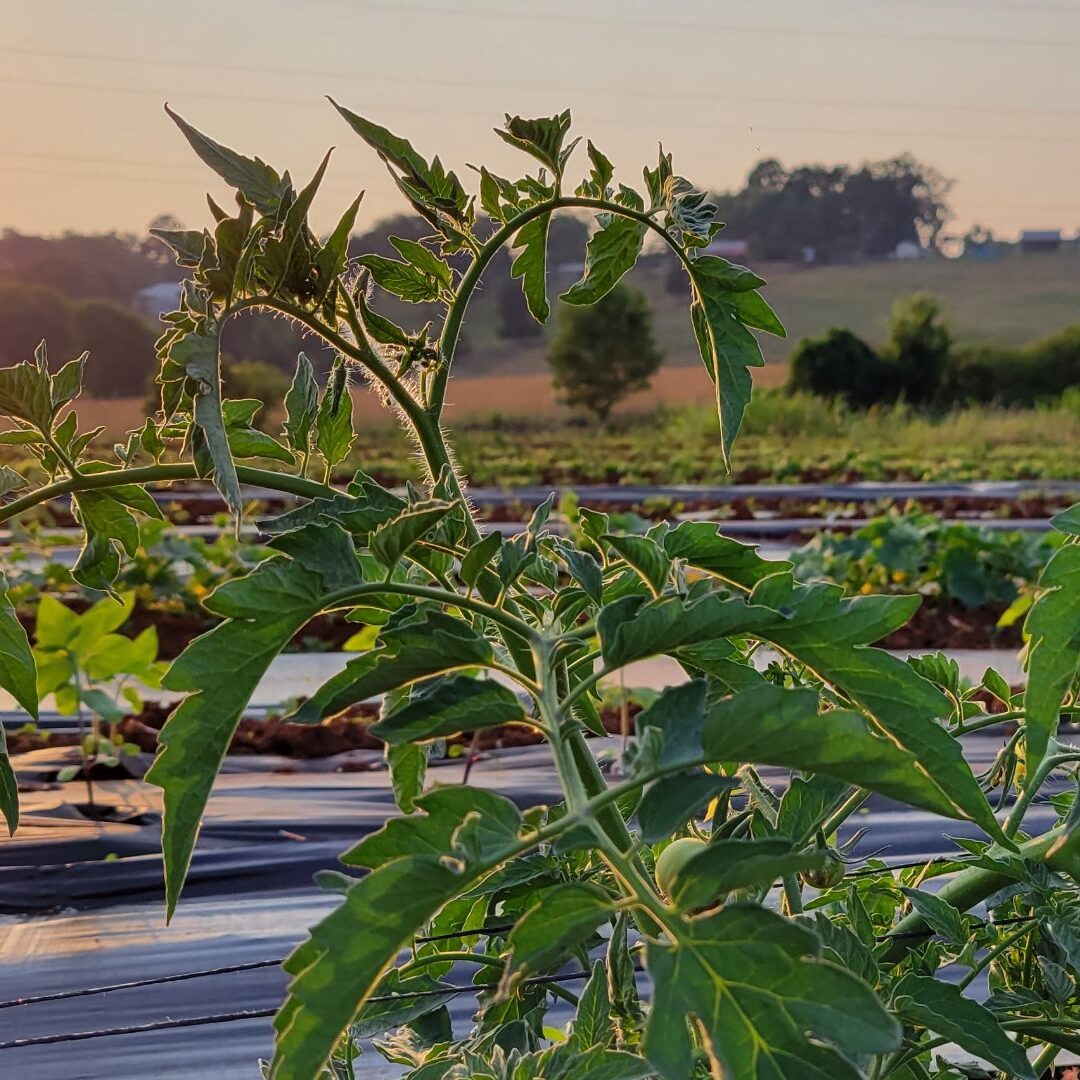
Right Crop, Site, and Time
Expand content upWhat are your food production goals?
What are the conditions at your site?
Which crops will meet your goals and fit your site?
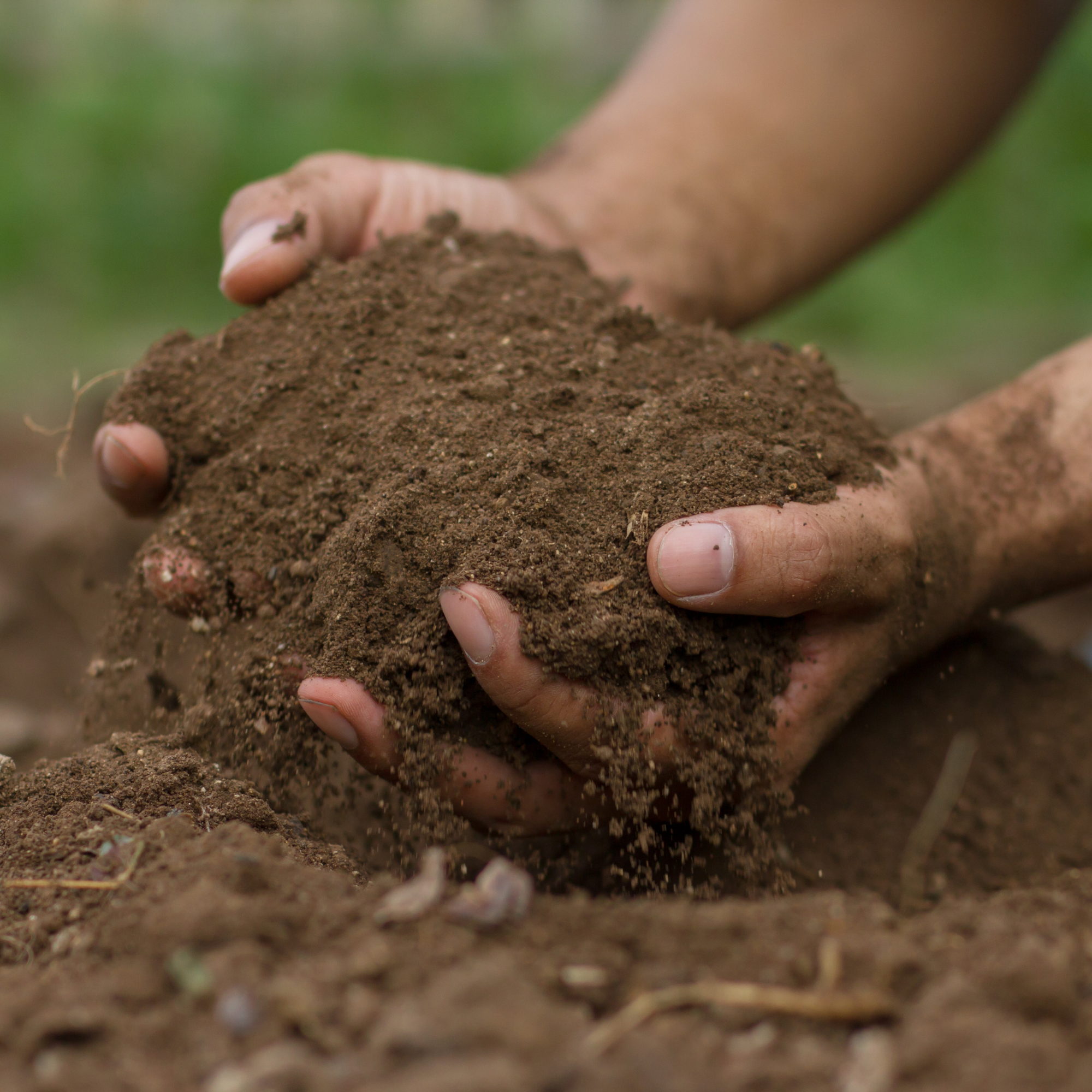
Manage Soils
Expand content upWhat kind of soil do you have?
How healthy is your soil?
How can the soil health be improved and maintained?
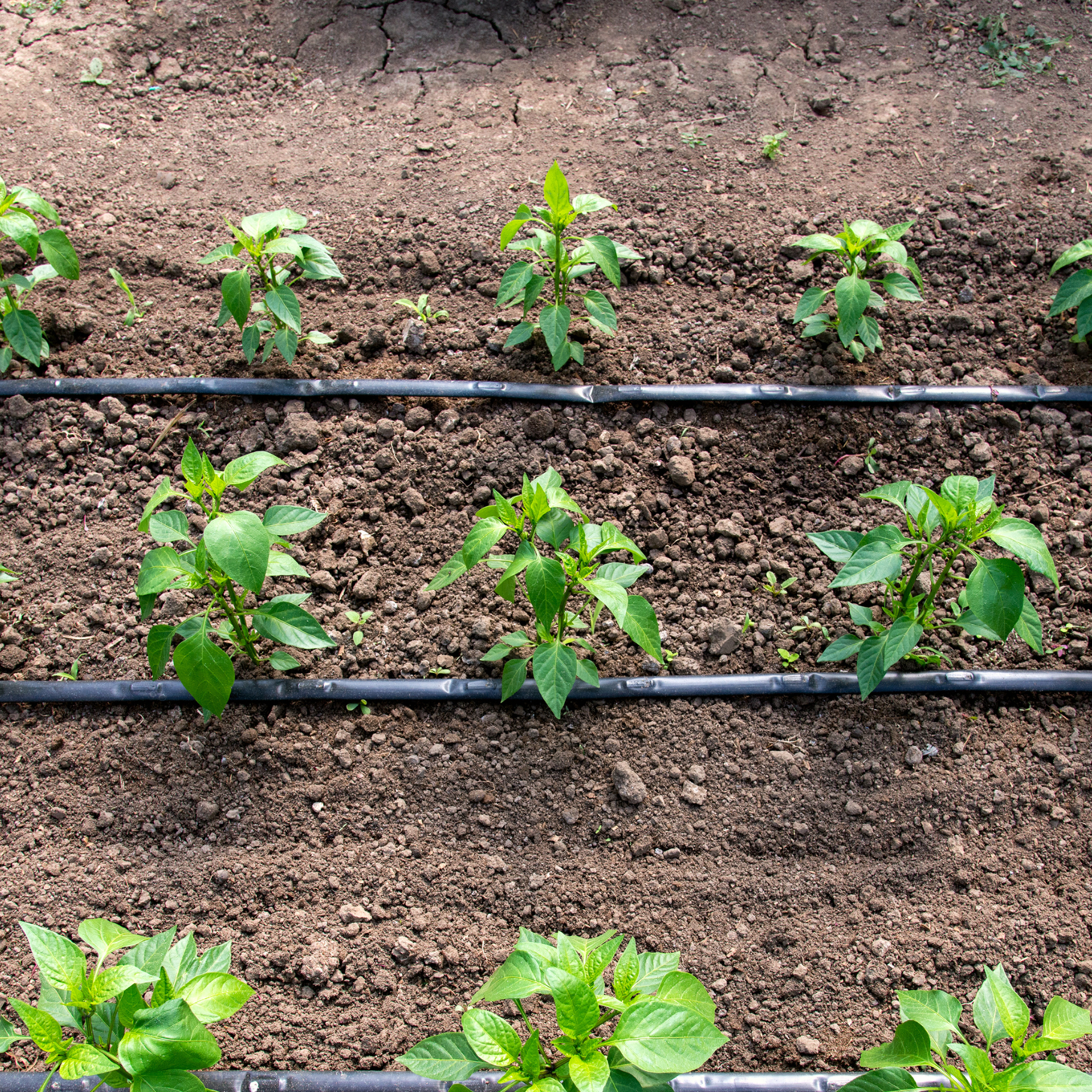
Fertilize and Water
Expand content upHow will you feed your soil and plants?
How is water moving on your site?
How will you get adequate water to your plants?
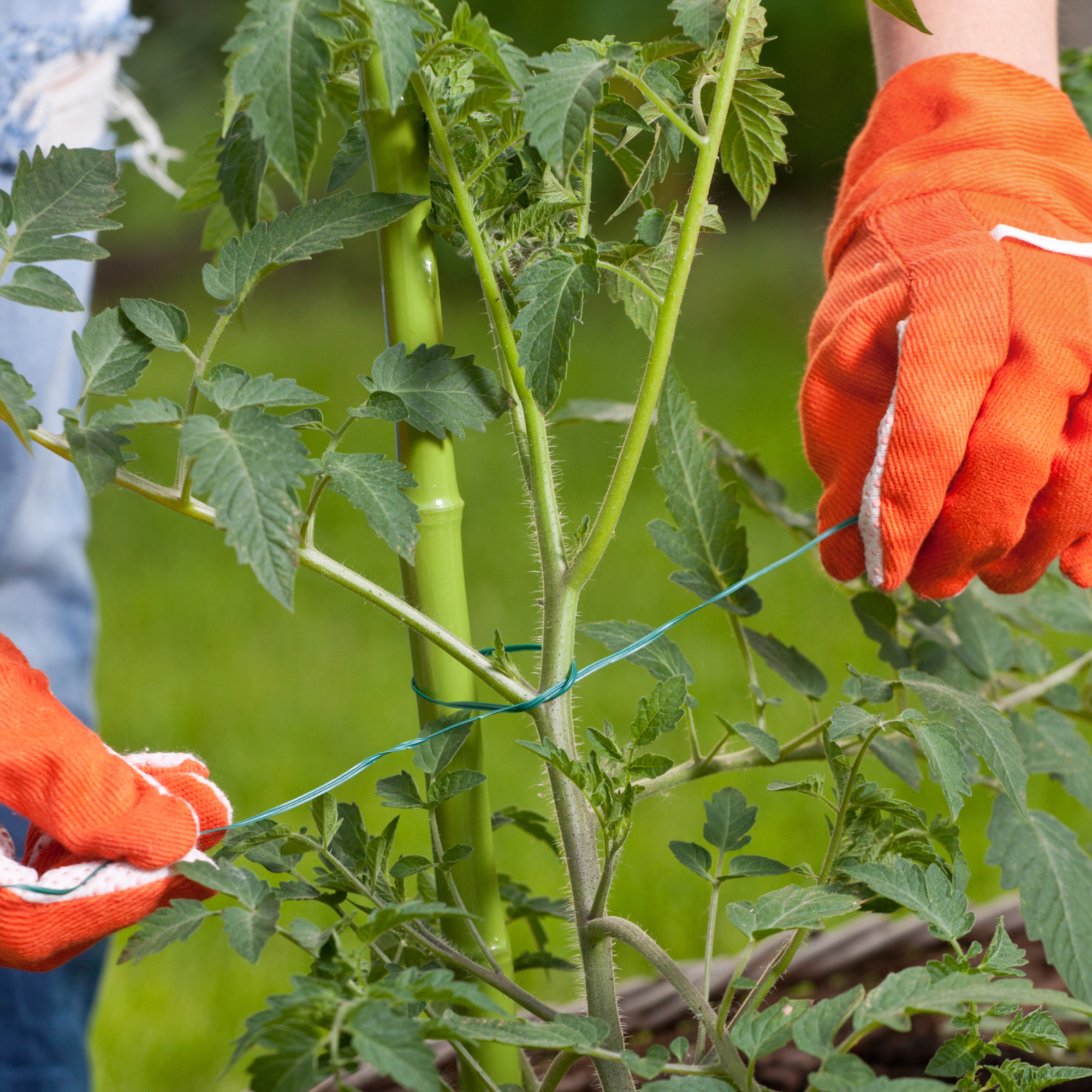
Plant, Mulch, and Care
Expand content upWhat does your garden calendar look like?
What is the best soil covering for your site?
How can you best support your plants?
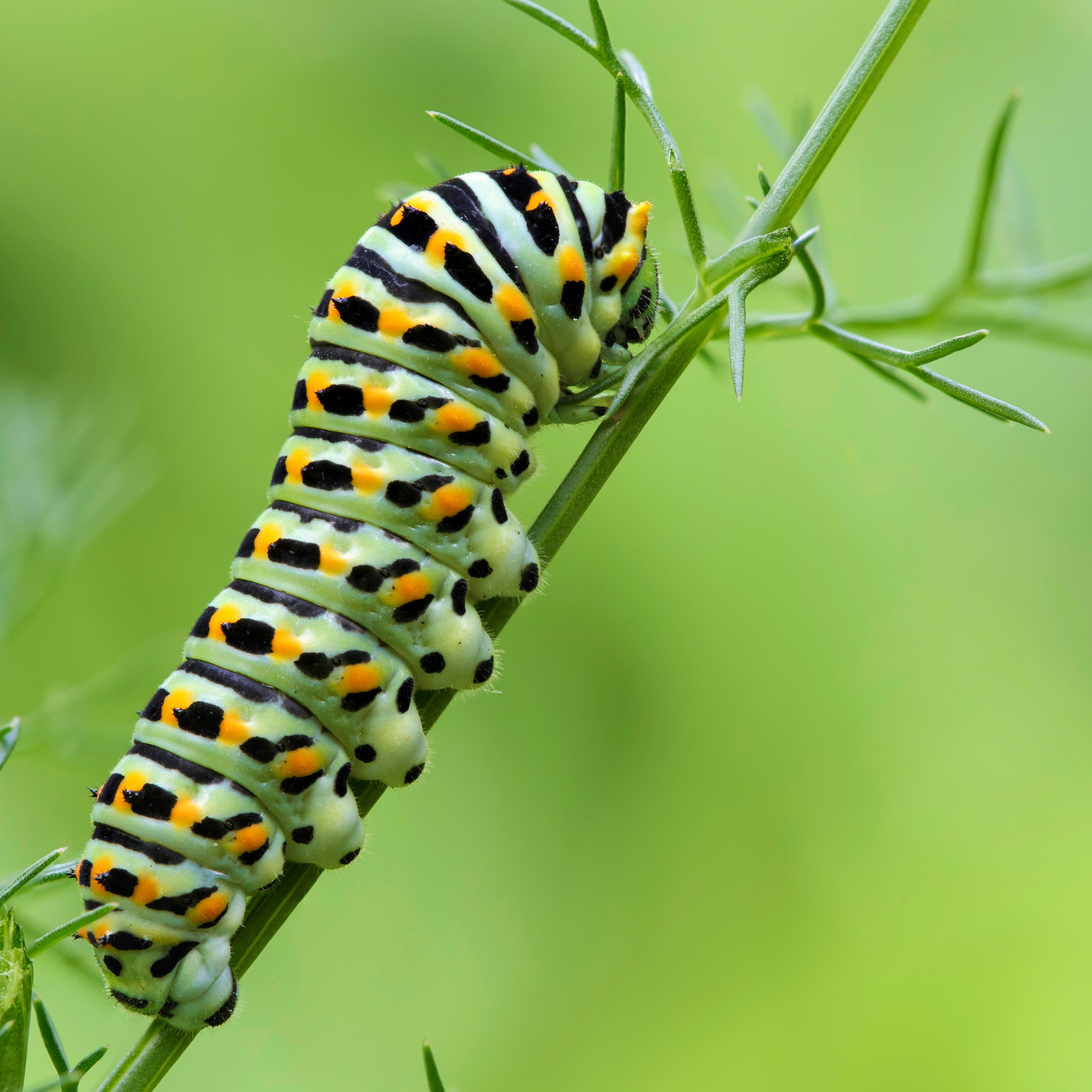
Support Biodiversity
Expand content upWhat benefits could a more diverse planting provide?
What are some practical ways to add diversity to your garden?
What could success in increasing biodiversity look like?
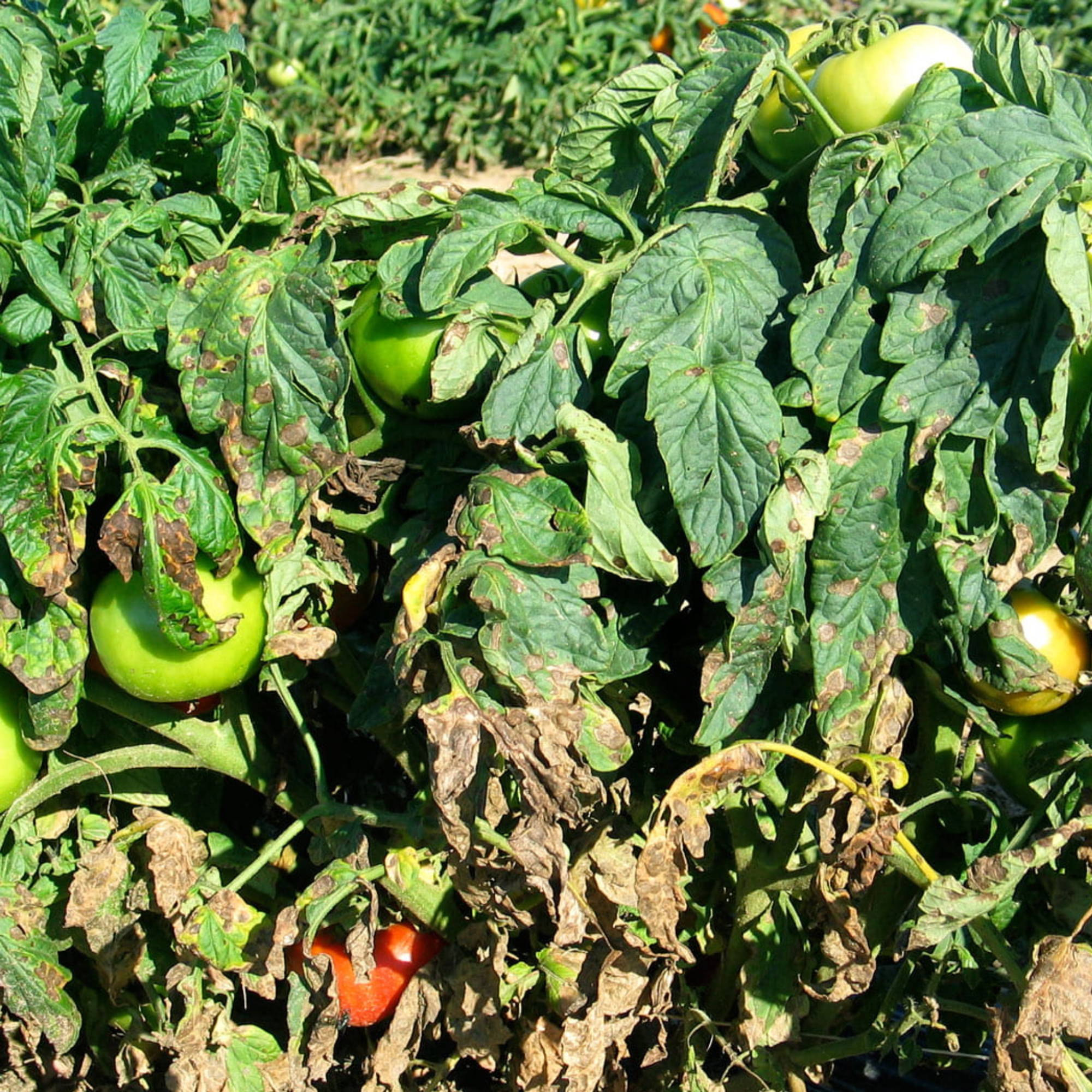
Manage Pests and Disease
Expand content upWhat is your rotation plan?
How healthy are your plants?
How will you manage issues that arise?
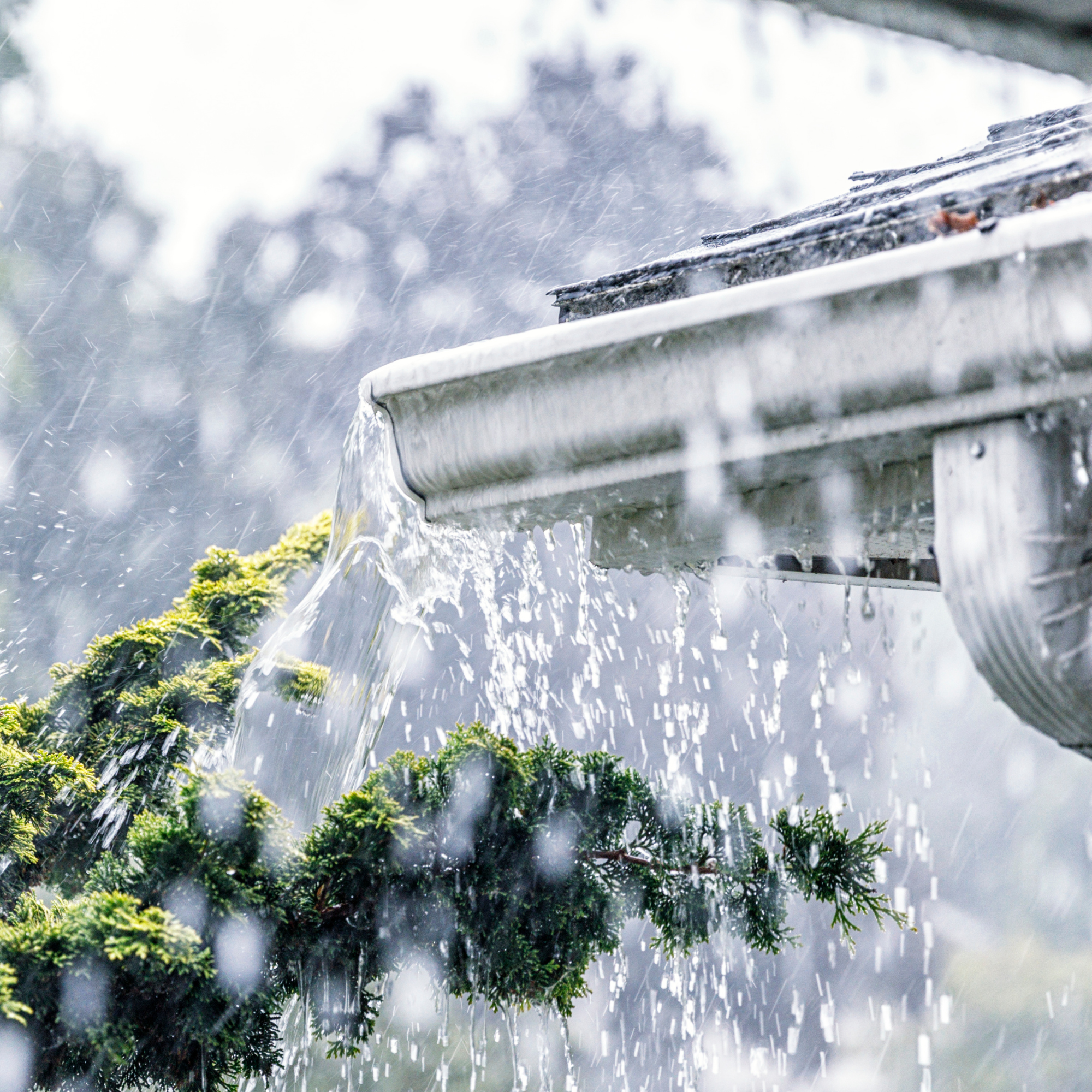
Reduce Stormwater Runoff
Expand content upWhat pollutants are present?
How efficient is your soil at infiltrating water?
How can you maximize your water resources?
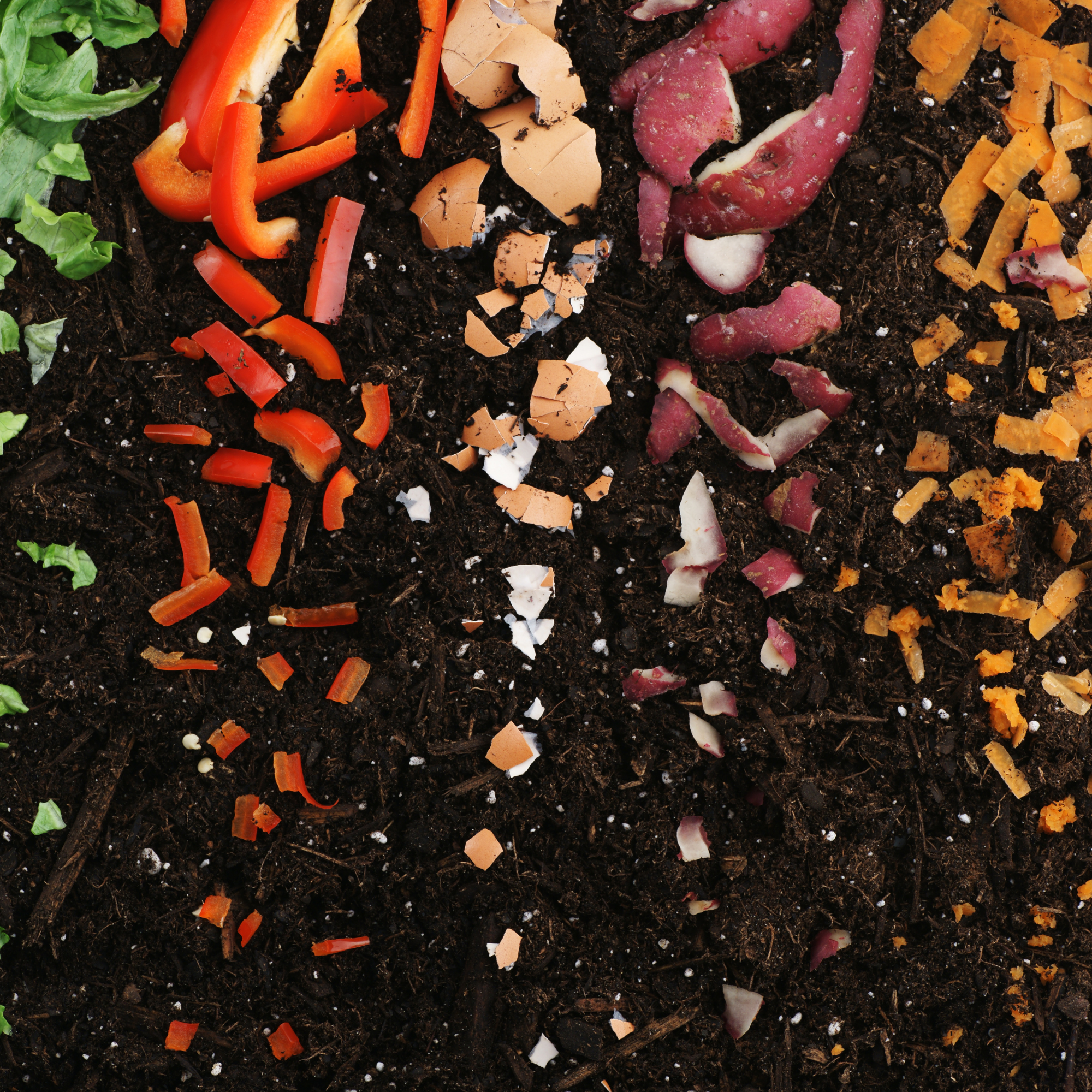
Reduce, Reuse, and Recycle
Expand content upHow will you reduce your garden's footprint?
Where will your waste and scraps go?
How will you utilize your recycled amendents / inputs?
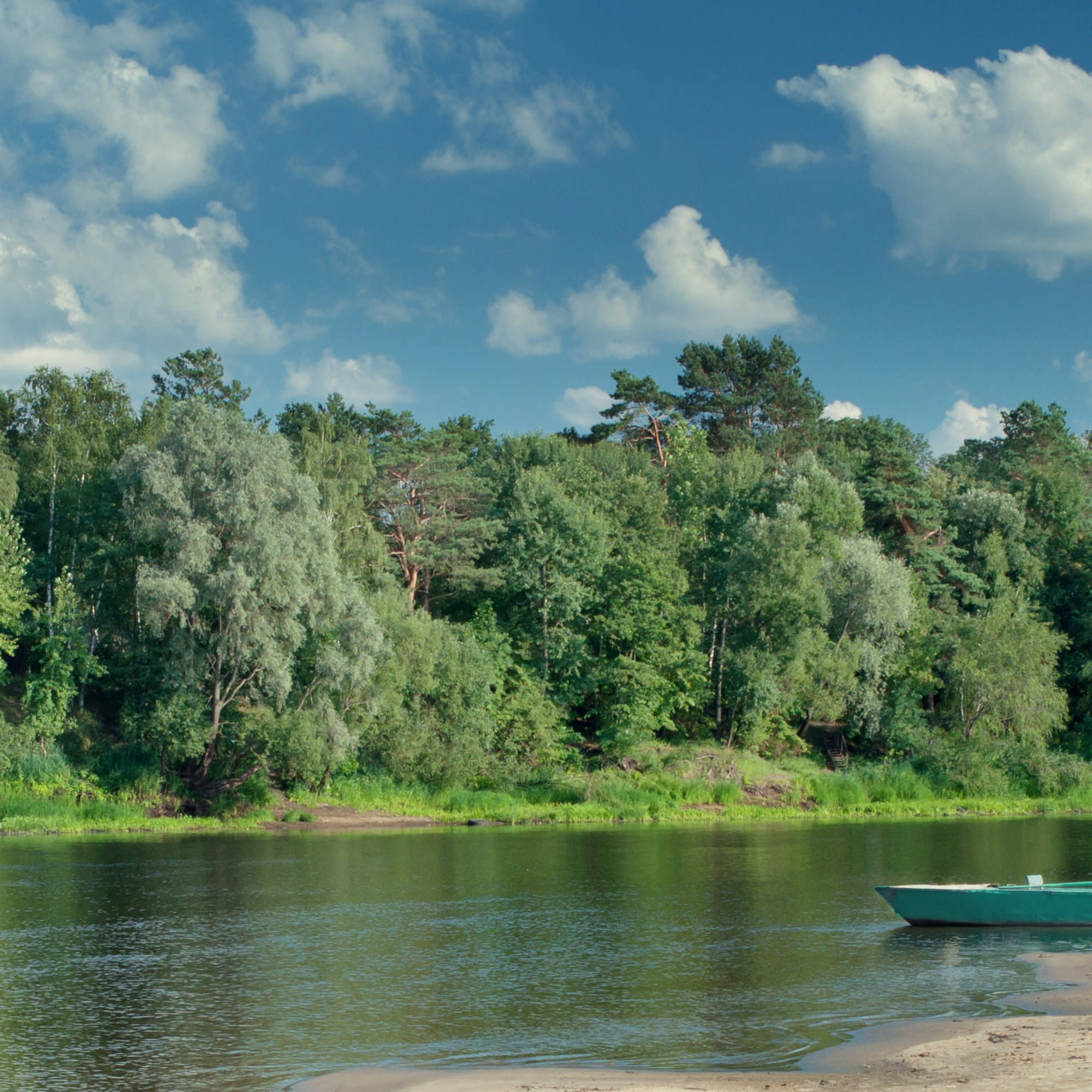
Protect Waters Edge
Expand content upWhere is your garden located?
What plants are around? Should they be here?
How can you help your local watershed?
For questions about this course, contact Dr. Andrea Ludwig.